Quick answer: Lysol, bleach, rubbing alcohol and vinegar are not real bed bug treatments. In a Rutgers test, rubbing alcohol killed at most half the bugs it was sprayed on. Most sprayed eggs still hatched, and it has started house fires. Lysol isn't registered for insects. What does kill bed bugs and their eggs on contact is heat: steam, a hot dryer or temperatures of 122°F.1,2,3,4,5,6
Key Takeaways
- Rubbing alcohol is weak and dangerous. In a Rutgers test, a direct spray killed no more than half the bugs, and it has caused house fires.1,3
- Lysol is a germ killer, not an insecticide. Its label lists no insects, and bed bugs survived a direct spray of disinfectant in tests.4,1
- Don't use bleach, and never mix it. CDC advises against bleach for pest control, and bleach mixed with vinegar, ammonia or alcohol makes toxic gas.7,8
- Soap, vinegar and mouthwash aren't proven. Detergent-only sprays killed 30% or fewer young bed bugs, and we found no study showing vinegar or mouthwash works.9
- Heat kills on contact, eggs included. Steam stopped every treated egg from hatching, and 30 minutes in a hot dryer kills all stages.6,10
- Bug bombs don't work and can make people sick. Foggers were involved in the one death in a CDC report on bed bug insecticide illnesses.11,12
When you find a bed bug, it's natural to grab whatever spray bottle is under the sink. This guide goes through what the research says about each household product people try, which methods actually kill bed bugs and their eggs on contact, and which ones can hurt you.
In this guide
- At a glance: what kills bed bugs on contact
- Rubbing alcohol
- Lysol and disinfectant sprays
- Bleach
- Vinegar
- Dish soap, mouthwash, peroxide and essential oils
- Store-bought bed bug sprays
- Bug bombs and foggers
- Steam and heat: what really works
- Dryer, washer and freezer
- Dusts and vacuuming
- What kills bed bug eggs
- Why no spray kills 100%
- FAQ
What Kills Bed Bugs on Contact? At a Glance
| Product or method | Kills on contact? | Kills eggs? | Safety |
|---|---|---|---|
| Rubbing alcohol (70% or 91%) | Some; at most half in a Rutgers test1 | No: most sprayed eggs hatched2 | Flammable; has caused house fires3 |
| Lysol and other disinfectants | Not shown; bugs survived a direct spray1 | No evidence | Not labeled for insects4 |
| Bleach | Not tested | Not tested | CDC says don't use; toxic if mixed7,8 |
| Vinegar | No evidence | No evidence | Never mix with bleach8 |
| Dish soap or soapy water | Poor: 0–30% of young bugs9 | No evidence | Low risk |
| Essential-oil sprays | Mixed: 2 of 9 products killed over 90%9 | Most did poorly9 | Some oils are toxic to pets13 |
| Store pyrethroid sprays | Unreliable; resistance is common1,14 | Limited9 | Follow the label; indoor products only3 |
| Foggers (bug bombs) | Little if any effect11 | Not shown | Linked to illnesses; can explode12,15 |
| Steam | Mostly, for bugs it reaches16,6 | Yes6 | Can damage some finishes1 |
| Hot dryer, 30 minutes | Yes, all stages10 | Yes10 | Safe for dryer-safe items |
| Freezing at 0°F | Slow: takes days17 | Yes17 | Safe; check the temperature18 |
Does Rubbing Alcohol Kill Bed Bugs?
Only some of them, and it's a fire hazard. Rutgers University entomologists sprayed bed bugs directly with 70% and 91% rubbing alcohol. It killed no more than half of them.1 About half the sprayed bugs were still alive four days later.19
Ohio State University researchers also found alcohol fell short. Drops of alcohol placed on adult bed bugs killed none of them within 24 hours. Only a very heavy spray killed most bugs after a week, at amounts the researchers called impractical and possibly unsafe. And 63% to 100% of the sprayed eggs still hatched.20,2
Warning: Rubbing Alcohol Fires
EPA says rubbing alcohol evaporates quickly, catches fire easily and has caused many house fires when people used it on bed bugs.3 In Cincinnati in late 2017, two fires in two weeks were blamed on people treating bed bugs with alcohol. One injured three people and left 10 homeless; the other displaced eight people and caused about $300,000 in damage.21,22,23 CDC and the University of Kentucky both say not to use it.7,24
Does Lysol Kill Bed Bugs?
No, not as a treatment. Lysol Disinfecting Spray is registered with EPA to kill bacteria, viruses and fungi. Its label doesn't list any insects, and using a product in a way its label doesn't allow is against federal law.4 When Rutgers researchers sprayed bed bugs directly with a disinfectant, every bug survived.1
Disinfectants aren't made to control bed bugs. Household sprays also do little once they dry, so they have to hit the bug directly.24,1 To find products that are registered for bed bugs, use EPA's Bed Bug Product Search.25
Does Bleach Kill Bed Bugs?
We found no research showing it does, and health officials say not to try. CDC advises against using bleach, rubbing alcohol or kerosene for pest control because they can cause health problems, fires or explosions. Bleach on surfaces treated with pesticides can also turn some pesticides into more toxic forms.7 The University of Kentucky also says not to use bleach.24
Never Mix Bleach With These
- Bleach + vinegar (or other acids) releases chlorine gas, which can damage your lungs and can kill at high levels.8
- Bleach + ammonia makes chloramine gas, which causes coughing and chest pain and can put fluid in the lungs.8
- Bleach + rubbing alcohol forms chloroform, which can cause dizziness and unconsciousness.8
Readers have asked us about this too. See Will bleach get rid of bed bugs? and Does bleach kill bed bugs on contact?
Does Vinegar Kill Bed Bugs?
There's no evidence it does. We couldn't find any study or extension service that has shown vinegar kills bed bugs, their eggs or keeps them away. In Rutgers tests, every bed bug survived a direct spray of a disinfectant cleaner.1 If you have vinegar out for cleaning, keep it away from bleach: together they release chlorine gas.8
Does Dish Soap, Mouthwash, Hydrogen Peroxide or Tea Tree Oil Kill Bed Bugs?
Dish soap and soapy water
Not reliably. In a Rutgers lab study, two bed bug sprays made mostly of detergent and salt killed 0% to 30% of young bed bugs sprayed directly, compared with 10% for plain water.9 We found no study that tested Dawn or other dish soaps. The Rutgers study didn't test soap on eggs.9 See our reader question, Will soapy water kill bed bugs?
Mouthwash and Listerine
We found no study that tested mouthwash on bed bugs. Many mouthwashes contain alcohol, and in a Rutgers test alcohol killed at most half the bugs it hit.1 See Using mouthwash to kill bed bugs.
Hydrogen peroxide
We found no research showing hydrogen peroxide kills bed bugs. For cleaning stains, see bed bug poop and stains.
Tea tree and other essential oils
Results vary widely. Tea tree oil hasn't been tested in the studies we found. In a screen of 18 essential oils applied directly to bed bugs, most did little.26 Of nine oil-based bed bug products sprayed directly on young bugs, only two killed more than 90%, and most others killed 30% or fewer.9,27 When bugs could avoid the dried spray, very few died.9 One oil product that killed most unfed bugs failed when the bugs were allowed to feed.19 Many of these products are exempt from EPA registration, so their claims aren't checked by EPA.26 Tea tree oil can also poison dogs and cats at higher concentrations.13 For other natural options, see our home remedies guide.
Do Store-Bought Bed Bug Sprays Like Hot Shot Work?
Sometimes, on the bugs they hit, if the bugs aren't resistant. Hot Shot's bed bug killer with egg kill is sold as killing bed bugs and eggs on contact.28 Its active ingredient is cypermethrin,29 a pyrethroid.30 We found no independent study testing Hot Shot itself.
The problem is resistance. Many U.S. bed bug populations have developed strong resistance to pyrethroids.14,1 In one University of Kentucky study, 88% of 110 bed bug populations from across the U.S. carried genetic changes linked to resistance.31 A newer analysis found about 95% of U.S. populations sampled in 2018–2019 carried both main resistance mutations (see our bed bug statistics). Field bed bugs in a Virginia Tech study were 99 to 450 times less sensitive to several pyrethroids than lab bugs.32 Household sprays also have little effect once dry, so they have to hit the bug directly.24
If you use a spray, choose one that's registered for bed bugs and labeled for indoor use, and follow the label exactly. Never use outdoor products indoors, and don't spray beds or clothing unless the label allows it.3,7 Our bed bug spray guide explains what to look for.
Do Bug Bombs Kill Bed Bugs?
No. Ohio State researchers tested three store-bought foggers on bed bugs collected from homes and found little if any effect. Bugs hiding under sheets or in cracks weren't touched.11 EPA says foggers should never be your only method, and too many cans can cause an explosion.15,3 See our full guide: do bed bug bombs and foggers work?
They can also make people sick. A CDC report found 111 illnesses in seven states tied to insecticides used for bed bugs, including one death. Most involved pyrethroids or pyrethrins, and common causes included using too much and not washing treated bedding. Foggers were involved in the one death.12
What Really Kills Bed Bugs on Contact: Steam and Heat
Heat is the most reliable way to kill bed bugs on contact, and it kills eggs too. Bed bugs die quickly once the spot where they're hiding gets hot enough:5
| Temperature at the bugs | Time to kill |
|---|---|
| 113°F (45°C) | About 7 hours5 |
| 118°F (48°C) | About 90 minutes5 |
| 122°F (50°C) | Under 1 minute5 |
Eggs are the hardest stage to kill with lower heat: at 113°F they needed about 7 hours.33
Steam used correctly kills bugs and eggs on contact.24 In a Rutgers study, two home steamers and one professional steamer killed every bed bug on exposed mattress surfaces and in cracks, and more than 89% under a fabric cover. They didn't work well behind leather.16 In a Texas A&M study, steam stopped 100% of treated eggs from hatching.6
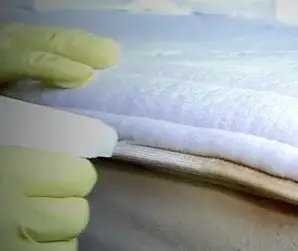
- Aim for 160–180°F at the surface. EPA's minimum is 130°F.5,18
- Move slowly, about 12 inches every 30 seconds, using a wide head or diffuser so the airflow doesn't blow bugs away.10,18
- Know the limits. Steam reaches about 2 inches into cracks and less than an inch into fabric, and it leaves nothing behind to kill bugs that come out later.5,24
- Test first. Steam can damage finished wood and some fabrics.1
A small home steamer costs around $75.1 A handheld steamer with a fabric nozzle (we earn a small commission) works for mattress seams, couch cushions and bed frames.
Don't try DIY room heating. EPA warns that space heaters, fireplaces and turning up the thermostat don't get hot enough and have burned homes down.3,18
Dryer, Washer and Freezer
- Dryer: 30 minutes on high heat killed all stages, including eggs. A 10-minute hot cycle didn't.34,10
- Washer: a 140°F (60°C) wash killed all stages. A 104°F (40°C) wash killed adults and young bugs, but about 75% of eggs survived.34
- Freezer: researchers recommend at least 3.5 days at 0°F (−18°C).17 Rutgers recommends 4 days.1 Check your freezer with a thermometer, because some don't stay that cold.18,17
Carry infested items to the laundry in a sealed bag. A large zip-top storage bag (we earn a small commission) works well.
Dusts and Vacuuming: Not Instant, Still Useful
Diatomaceous earth doesn't kill on contact. In University of Kentucky tests, more than 90% of bed bugs died within 4 days only when they were kept on the dust the whole time. Bugs that walked across a strip once survived, and DE made no measurable difference in six infested apartments.35 Silica gel dusts work faster.35,24 If you use a dust, choose an EPA-registered product, not pool or food-grade DE, which can harm you if you breathe it in.18,30 See our guide to diatomaceous earth for bed bugs.
Vacuuming picks up live bugs quickly but misses eggs and bugs deep in cracks, and the bugs survive inside the vacuum. Seal the bag or contents and throw them out in an outdoor trash can.1,18,5
What Kills Bed Bug Eggs?
- Works: steam,6 a hot dryer for 30 minutes,10 a 140°F wash,34 heat of 118°F for 90 minutes at the egg,10 and freezing at 0°F for several days.17
- Doesn't work well: rubbing alcohol (most sprayed eggs hatched),2 a warm 104°F wash,34 most essential-oil sprays,9 and vacuuming, which doesn't reliably remove eggs.24
Even professional insecticide sprays killed only 58% to 67% of eggs they were sprayed on in one lab study, which is why repeat treatments are needed.9,18 See our full guide to bed bug eggs.
Why No Spray Kills 100% of Bed Bugs
Heat, steam, the dryer and freezing can kill every bug and egg they reach. The catch is that bed bugs hide in places no spray or steamer reaches. That's why EPA and the National Pest Management Association recommend combining several methods and following up.18,5
- Confirm it's bed bugs. See how to check a mattress.
- Steam and launder what you can, and vacuum.18
- Encase the mattress and box spring so bugs inside can't get out. See our mattress encasement guide.18
- Put interceptors under the bed legs to catch bugs and track progress. See our bed bug traps guide.
- Keep checking for at least a year.18
The University of Kentucky and CDC recommend a professional when you can get one.24,36 Our step-by-step guide on how to get rid of bed bugs covers the full plan.
Home remedies not working?
Get a free, no-obligation quote from a local bed bug exterminator.
Call 1-877-673-2704Free quote · No obligation · We may earn a referral fee when you call.
What the Research Shows
- Alcohol falls short: In Rutgers tests, 70% or 91% rubbing alcohol killed no more than half the bed bugs it was sprayed on.1
- Natural sprays vary: of nine oil-based products, two killed over 90% of nymphs on direct spray; detergent sprays killed 30% or fewer.9
- Foggers fail: three store-bought foggers had little if any effect on bed bugs collected from homes.11
- Home steamers match pro models: both killed every bed bug on exposed mattress surfaces and in cracks.16
- Cold takes time: researchers recommend at least 3.5 days at 0°F.17
- Resistance is widespread: 88% of 110 U.S. bed bug populations carried genetic mutations linked to resistance.31 Samples from 2018–2019 put it near 95%.
What Kills Bed Bugs on Contact: Frequently Asked Questions
What kills bed bugs instantly?
Heat. Steam that heats a surface to about 160–180°F kills most bed bugs and eggs it reaches, and bed bugs die in under a minute at 122°F. Rubbing alcohol, Lysol and soapy water don't reliably kill even the bugs you hit.5,16,6,1,9
Will rubbing alcohol kill bed bugs?
Only some of them. In a Rutgers test it killed at most half the bugs it was sprayed on. Most sprayed eggs still hatched, and it has caused house fires.1,2,3
Will Lysol kill bed bugs?
It isn't made or registered to. Lysol is a disinfectant for germs, and in tests bed bugs survived a direct spray of disinfectant.4,1
Does Dawn dish soap really kill bed bugs?
Not reliably. Detergent-only bed bug sprays killed 30% or fewer young bed bugs in a lab study, and there's no evidence soap kills eggs.9
What kills bed bug eggs instantly?
Steam and high heat. Steam stopped every treated egg from hatching in tests. Rubbing alcohol doesn't work: most sprayed eggs still hatched.6,2
What kills 100% of bed bugs?
No spray reliably does. In lab tests, even the best sprays left some eggs alive.9 Heat, steam, a hot dryer and freezing can kill every stage they reach, but bugs hide where treatments miss, so combining methods and following up is what ends an infestation.5,10,18
Does Hot Shot kill bed bugs?
It's sold as killing bed bugs and eggs on contact. Its active ingredient is a pyrethroid, and many bed bug populations resist pyrethroids. We found no independent test of Hot Shot.28,29,14
How do you get rid of bed bugs in 5 minutes?
You can't. In five minutes you can steam the bugs you see, but eggs and hidden bugs survive. Plan on weeks of steaming, laundering, encasing and checking, and usually a professional.16,18,24
This page is general information, not professional pest control advice. Always follow pesticide label directions.
References
- Wang C, Cooper R. Cost-Effective and Money-Wasting Bed Bug Control Methods, FS1251. Rutgers NJAES Cooperative Extension, March 2019. njaes.rutgers.edu
- The Ohio State University. Effectiveness of Alcohol as a Do-it-Yourself Treatment to Combat the Bed Bug, Cimex lectularius. OSU Knowledge Bank, December 2015. kb.osu.edu
- U.S. Environmental Protection Agency. Stay Legal and Safe When Treating Bed Bugs. U.S. EPA, updated August 31, 2026. www.epa.gov
- Reckitt Benckiser. Lysol Disinfecting Spray, EPA Reg. No. 777-99, accepted label. U.S. EPA Pesticide Product Label System, January 10, 2014. www3.epa.gov
- National Pest Management Association. Bed Bug Best Management Practices: A Guide for Pest Management Professionals (rev. July 2023, v2). NPMA, 2023. www.npmapestworld.org
- Puckett RT, McDonald DL, Gold RE. Comparison of multiple steam treatment durations for control of bed bugs (Cimex lectularius L.). Pest Management Science 69:1061–1065, 2013 (Texas A&M Urban Entomology copy). urbanentomology.tamu.edu
- Centers for Disease Control and Prevention. Health Concerns about Misuse of Pesticides for Bed Bug Control, HAN-0336. CDC Health Alert Network, November 27, 2012. archive.cdc.gov
- New Jersey Department of Health, Environmental and Occupational Health Surveillance Program. Hazard Alert: Mixing Bleach with Other Cleaning Products Can Be Deadly. NJDOH, n.d. www.nj.gov
- Singh N, Wang C, Cooper R. Potential of essential oil-based pesticides and detergents for bed bug control. Journal of Economic Entomology 107(6), 2014 (Rutgers copy). archive.sebs.rutgers.edu
- Miller DM. Using Heat to Kill the Bed Bug (Usando Calor para Matar al Chinche de Cama). Virginia Tech, via Virginia Department of Agriculture and Consumer Services, n.d. www.vdacs.virginia.gov
- ScienceDaily (The Ohio State University). Over-the-counter foggers ineffective against bed bugs (Jones SC, Bryant JL, J Econ Entomol 105(3), 2012). ScienceDaily, June 4, 2012. www.sciencedaily.com
- Jacobson JB, Wheeler K, Hoffman R, et al. Acute Illnesses Associated With Insecticides Used to Control Bed Bugs: Seven States, 2003–2010. MMWR 60(37):1269–1274, CDC, September 23, 2011. www.cdc.gov
- Pet Poison Helpline. Tea Tree Oil. Pet Poison Helpline, updated June 4, 2026. petpoisonhelpline.com
- Romero A, Potter MF, Potter DA, Haynes KF. Insecticide resistance in the bed bug: A factor in the pest's sudden resurgence? Journal of Medical Entomology 44(2):175–178, 2007 (University of Kentucky Scholars record). scholars.uky.edu
- U.S. Environmental Protection Agency. Should I Use a Fogger? U.S. EPA, updated September 8, 2026. www.epa.gov
- Wang D, Wang C, Wang G, Zha C, Eiden AL, Cooper R. Efficacy of three different steamers for control of bed bugs (Cimex lectularius L.). Pest Management Science 74(9):2030–2037, 2018 (Pestinfo wiki abstract record). wiki.pestinfo.org
- Olson JF, Eaton M, Kells SA, Morin V, Wang C. Cold tolerance of bed bugs and practical recommendations for control. Journal of Economic Entomology 106(6):2433–2441, 2013 (Rutgers copy). archive.sebs.rutgers.edu
- U.S. Environmental Protection Agency. Do-it-yourself Bed Bug Control. U.S. EPA, updated August 10, 2026. www.epa.gov
- Milius S. Mothballs, rubbing alcohol score poorly in tests of DIY bedbug control. Science News, November 18, 2013 (updated November 25, 2013). www.sciencenews.org
- Ferguson O, Jones SC, Bryant J. How to kill bed bugs in portable items: Over-the-counter chemical approaches. Entomological Society of America Annual Meeting abstract, November 2014. studio.m-anage.com
- CBS News. Woman burns down Cincinnati, Ohio, home trying to kill bedbugs. CBS News, December 9, 2017. www.cbsnews.com
- CBS Detroit. Teen Trying To Kill Bed Bug Starts $300K Apartment Fire. CBS News Detroit, November 29, 2017. cbsnews.com
- FOX 32 Chicago (Associated Press). Woman trying to kill bed bugs starts house fire that injures 3 people. FOX 32 Chicago, December 9, 2017. www.fox32chicago.com
- Potter MF. Bed Bugs, ENTFACT-636. University of Kentucky Entomology, rev. March 2026. entomology.mgcafe.uky.edu
- U.S. Environmental Protection Agency. Find a Bed Bug Pesticide Product (Bed Bug Product Search Tool). U.S. EPA, updated July 17, 2026 (database updated December 18, 2019). www.epa.gov
- Porterfield A. Some "Green" Oils Can Stop a Bed Bug, But Many Can't (on Zha, Wang & Li, J Econ Entomol). Entomology Today, December 6, 2017. entomologytoday.org
- Entomology Today. Researchers Compare Efficacy of "Natural" Bed Bug Pesticides. Entomological Society of America, October 9, 2014. entomologytoday.org
- Lowe's. Hot Shot Kills Eggs by Contact Ready to Use Bed Bug Killer, 128 fl oz (product listing). Lowe's, accessed November 2, 2026. www.lowes.com
- Spectrum Brands. Safety Data Sheet: Hot Shot Bed Bug Killer With Egg Kill, EPA Reg. No. 9688-327-8845. Home Depot product document, n.d. images.homedepot-static.com
- U.S. Environmental Protection Agency. Pesticides to Control Bed Bugs. U.S. EPA, updated September 8, 2026. www.epa.gov
- University of Kentucky College of Agriculture. Bed bug resistance to insecticides is widespread (on Zhu, Potter, Haynes, Palli et al.). UK Ag News, January 20, 2010. news.mgcafe.uky.edu
- Moore DJ II. Laboratory and field evaluations of insecticide products for control of the common bed bug (Evaluation of Multiple Insecticidal Products for Control of the Common Bed Bug, Cimex lectularius). Virginia Tech master's thesis, November 16, 2006. vtechworks.lib.vt.edu
- Kells SA, Goblirsch MJ. Temperature and Time Requirements for Controlling Bed Bugs (Cimex lectularius) under Commercial Heat Treatment Conditions. Insects 2(3):412–422, MDPI, 2011. www.mdpi.com
- Merchant M. Bed Bugs and Laundry (summarizing Naylor & Boase 2010). Pest Control Technology, March 2012. pctonline.com
- Potter MF, Haynes KF, Christensen C, Neary TJ, Turner C, Washburn L, Washburn M. Diatomaceous Earth: Where Do Bed Bugs Stand When the Dust Settles? Pest Control Technology, December 2013. www.pctonline.com
- Centers for Disease Control and Prevention. About Bed Bugs. CDC, reviewed April 26, 2024. www.cdc.gov