Call 1-877-673-2704 for a free extermination quote or do-it-yourself with our featured bed bug kit.

Bed Bug Eggs: Identification and Removal

Overview

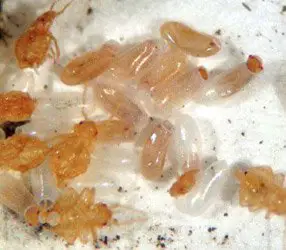
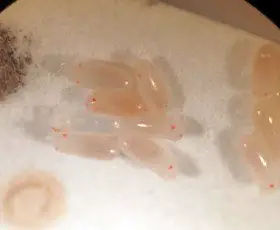
Bed Bug Eggs About to Hatch
(Red dots are eye spots)

This page may contain affiliate links to products we recommend, researched and love. If you decide to make a purchase after clicking one of these links, I'll earn some coffee money which we promise to drink while writing more helpful content like this. We do not recommend any product we wouldn't use ourselves.

Identification and bed bug egg removal can be easily accomplished with the right tools and methods. Bed bug eggs are small, white, and about the size of a pin head (1/32" or 1mm), making them visible to the naked eye but challenging to locate without magnification and proper lighting.

These eggs pose a significant challenge because they cannot be picked up with a vacuum - when laid, they are sticky and firmly attach to surfaces. This adhesive quality is why most bed bug treatments require 2-3 applications, as missing even a few eggs can restart an entire infestation.

What Does an Unhatched Bed Bug Egg Look Like?

Picture BedBug Egg Next to Nymph (baby bed bug)

Unhatched bed bug eggs have several distinctive characteristics:

  • Size: Approximately 1mm (1/32") - about the size of a pinhead or speck of dust
  • Shape: Slightly pear-shaped or oval
  • Color: Whitish to translucent when first laid
  • Appearance: Smooth, glossy surface that may appear almost pearl-like
  • Pre-hatch signs: As hatching approaches, you may see red dots (eye spots) through the translucent shell

The eggs are often found in loose clusters rather than individually, making them easier to spot once you locate a harborage area.

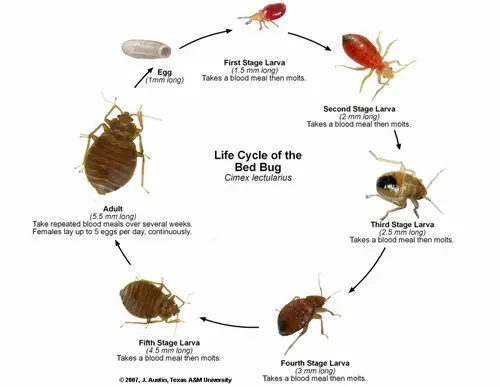
Egg to Adult Lifecycle

Picture Bed Bug Egg Hatch and Lifecycle

The bed bug lifecycle follows a predictable pattern:

Hatching Timeline

  • 64% of eggs hatch between days 6-7
  • 90% hatch between days 8-9
  • Temperature dependent - warmer conditions accelerate development

Development Stages

A bed bug passes through 5 nymph stages before reaching adulthood (6th stage).

Key facts:

  • Blood meal requirement: Each nymph needs blood within 3 days or begins to die from dehydration
  • Stage progression: Must feed to advance to next developmental stage
  • Biting ability: Even newly hatched nymphs can inflict bites like adults
  • Reproduction timeline: Can reproduce in as little as 5 weeks after hatching
Hatching Bed Bug Nymphs

Population Growth Potential

Under favorable conditions (70-80°F):

  • Complete development in 30 days
  • 3+ generations per year possible
  • Population can double in 16 days
  • Adults live 10 months to 1 year

Egg Biology and Behavior

Egg Production

Female bed bugs are prolific egg layers:

  • 5-7 eggs per week
  • 1 or more eggs per day
  • 200-500 eggs over lifetime
  • 97% hatch rate under normal conditions
  • Blood meal required before laying eggs

Can Bed Bug Eggs Attach to Clothing?

Yes, bed bug eggs can attach to clothing, but it's less common than attachment to furniture and structural surfaces. The sticky cement-like substance females use to secure eggs can adhere to fabric fibers, particularly:

  • Rough textured fabrics (wool, canvas, denim)
  • Clothing stored in infested areas
  • Fabrics in direct contact with infested furniture

However, eggs are more commonly found on:

  • Mattress seams and box springs
  • Furniture crevices
  • Picture frames and electrical outlets
  • Carpet edges and baseboards

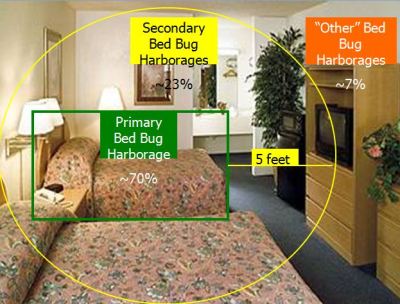
Where to Find Bed Bug Eggs

Picture Bed Bug Hiding Places

Bed bug eggs are typically located near adult harborage areas:

  • Mattress seams and tags
  • Box spring corners and fabric
  • Headboard crevices
  • Nightstand drawers and joints
  • Picture frames near beds
  • Electrical outlets
  • Curtain folds
  • Carpet edges and baseboards
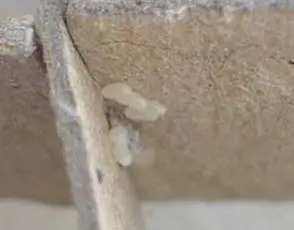
Picture of Bed Bug Eggs on Surface (Maagnified)
Picture Bed Bug Eggs on Surface
Picture of BedBug Egg Cluster on Surface (Magnified)

What Kills Bed Bug Eggs Instantly?

Several methods can kill bed bug eggs on contact:

1. Chemical Sprays (Instant Kill)

Insecticide-Based Options:

  • Sterifab (alcohol base plus synthetic pyrethroid) - University of Kentucky verified
  • Bedlam (multi-chemical aerosol) - Effective on resistant bed bugs

    Both are mattress safe (check the label as product formulations change) and kill eggs on contact

Natural/Organic Options:

  • Bed Bug Patrol (plant extract-based) - Kills eggs instantly on contact, mattress safe and from reputable organic manufacturers

2. Heat Treatment (instant Kill)

  • Steam: Hand-held steamers at 250°F kill eggs instantly
  • Hair dryer: Hold on hottest/lowest air setting for 30 seconds (NYC Dept. Health recommendation)
  • Professional heat: Room heating to 113°F+ kills all eggs
  • PackTite units: Portable heating for treating items

3. Extreme Cold

  • Freezing spray (CO2): Professional-grade, kills instantly
  • Home freezing: 5-10 days at freezing temperatures

4. Washing/Drying

  • Hot water wash + 15 minutes high-heat drying kills all eggs

Can You Squash Bed Bug Eggs?

Bed bug eggs are difficult to squash due to their small size and flexible shell. Unlike adult bed bugs, eggs:

  • Don't pop easily when pressed
  • Are too small to effectively target individually
  • Stick firmly to surfaces, making them hard to access
  • Require significant pressure that may damage the surface they're attached to

More effective removal methods:

  • Double-sided packing tape: Place over eggs and pull off
  • Chemical treatment: Sprays designed to penetrate egg shells
  • Heat treatment: More reliable than physical crushing

Do Bed Bug Eggs Hatch After Spraying?

This depends entirely on the spray used:

Sprays That Prevent Hatching:

  • Residual insecticides with ovicidal properties
  • Sterifab and Bedlam (University verified to kill eggs)
  • IGR (Insect Growth Regulator) products

Sprays That May NOT Prevent Hatching:

  • Contact-only sprays without residual action
  • Some natural repellents that don't penetrate egg shells
  • Cleaning products not designed for pest control

Important: Always check product labels for "ovicidal" claims and follow up treatments as eggs missed in initial application may still hatch.

Can You Have Bed Bugs for Years and Not Know It?

Yes, it's possible to have undetected infestations for extended periods:

Why Detection Can Be Delayed:Signs Often Missed:

  • Low reaction rates: Not everyone reacts visibly to bed bug bites
  • Small populations: Early infestations may only bite occasionally
  • Misidentification: Bites often mistaken for mosquitoes, fleas, or allergies
  • Hidden locations: Eggs and bugs hide in hard-to-inspect areas
  • Seasonal activity: Population may fluctuate with temperature changes
  • Small blood spots on sheets
  • Dark spots (fecal stains) on mattresses
  • Sweet musty odor in heavily infested rooms
  • Eggs and shells in furniture crevices

Early detection is crucial as populations can explode rapidly under favorable conditions.

Professional vs. DIY Treatment

When to Call Professionals:DIY Treatment Tips:

Bed bug eggs are often why treatments fail. Consider professional help when:

  • Multiple rooms affected
  • Previous DIY attempts unsuccessful
  • Severe allergic reactions to bites
  • Apartment/multi-unit buildings

Professional services can provide:

  • Heat treatment for entire rooms
  • Residual treatments with extended egg-killing action
  • Follow-up inspections to ensure complete elimination
  • Target egg locations specifically
  • Use multiple treatment methods for better coverage
  • Follow manufacturer directions carefully
  • Plan for multiple treatments spaced 10-14 days apart
  • Focus on harborage areas where eggs cluster

Egg Removal Quick Reference

Immediate Steps:

  1. Identify clusters using flashlight and magnification
  2. Apply contact spray to visible eggs
  3. Use tape method for physical removal
  4. Treat surrounding areas where eggs may be hidden
  5. Plan follow-up treatment in 10-14 days

Remember: Washing clothes in hot water followed by high-heat drying for 15+ minutes kills all bed bugs and eggs. Transport potentially infested clothing in sealed plastic bags.


Free Educational Resources

Bed Bug lifecycle diagram.
Available in a free Ebook

Bed bug egg hatch temperature research study.
Available in a free Ebook

References

  • University of Kentucky Cooperative Extension - Michael F. Potter, Professor and Urban Entomologist
  • Cornell Cooperative Extension - Dr. Jody Gangloff-Kaufmann, Jill Shultz
  • New York City Department of Health Guidelines

This site accepts advertising and other forms of compensation for products mentioned.
Such compensation does not influence the information or recommendations made.
We always give our honest opinions, findings, beliefs, or experiences.

All rights reserved. © 2025 Bed Bugs Handbook