Overview
Symptoms of bed bugs in humans includes raised, red bite marks that resemble mosquito bites. If an arm was resting on the seam of an infested mattress, the Bed bug bites could occur in a straight line or pattern. Individual bites may also occur on a small area of skin. Bed bug bites can be quite itchy and will subside by themselves in a few days.
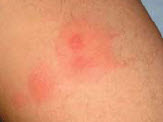 Photo of Bed Bug Bites on Arm
Any reaction to a bed bug bite is actually an allergic
response known as hypersensitivity. It is possible to have a
small
or no reaction the first time you are bitten, and then see reactions
worsen the next time you are bitten. One bedbug can bite several times
in a cluster.
Everyone who is bitten will have a small puncture mark caused by a stylet. This is often referred to as a white area at the center of the bite. It is not always noticeable.
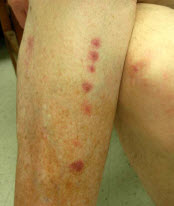 Bed Bug Bites on Legs Symptoms
In people that have a reaction, symptoms of bed bug bites are usually red bumps on the skin that are swollen and red. They can appear as what is known as a wheal or a welt which is another term for swollen skin area. Bumps will appear approximately 12 hours after being bitten.
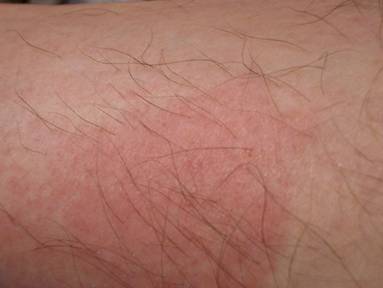 Bed Bug Wheal Skin Reaction 48 Hours After Being Bitten
In most cases, the bumps will swell to their full size in 24 to 48 hours with some itch. Itch can intensify approximately 36 hours after the bite occurs. A bed bug rash can also appear.
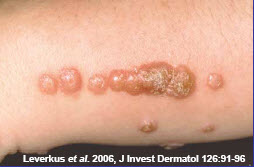 Picture of Blisters Caused by Bed Bug Bites
why bed bug bites itch
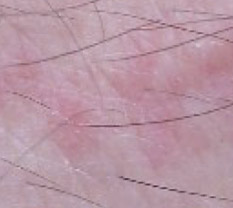 Bed Bug Bite Symptoms 30 Mintues After First Bite
When bed bugs bite (really puncture) the skin, they inject some saliva which contains active proteins that can cause an allergic skin reaction. The skin reaction causes the skin to itch. The bite site can intermittently itch for several days. It might take some time after being bitten for the itch to start.
bed bug bites hot to the touch
It is perfectly normal for bed bug bites to become hot to the touch. When bites heal the inflammatory cells that help the bite heal can feel warm. That said, if the hot feeling persists for more than 2 days then there is a possible build up of puss inside a skin abscess. See a Doctor as soon as possible for an antibiotic ointment.
Are bed bug bites painful to the touch?
In general, getting bitten and the bites themselves are not painful. If the bites become infected or swollen, then they could be painful or tender to the touch indicating the presence of pus or infection. If the bite is painful see a Doctor.
Serious life threatening symptoms
Other possible symptoms of bed bugs includes nervousness, inability to sleep, more severe allergic reactions such as asthma and in people that already have anemia (lower level of red blood cells), an aggravation of this condition. Life threatening symptoms include:
- anemia
- severe infection from scratching the bites
- fever
- large blisters
- swollen tounge
- irregular heartbeat (or changes in heartbeat)
- difficulty breathing
Bed Bug bites Compared to mosquito bites
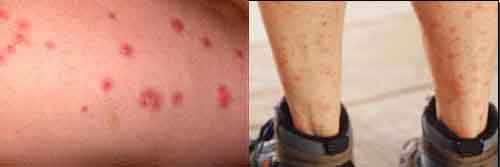 Mosquito Bites (left) Compared to Bed Bug Bites (Right)
The most severe reaction is called anaphylaxis, which is a life-threatening allergic reaction. Symptoms of bed bug bites are somewhat similar to mosquito bites. The difference is the areas where bed bugs are found (arms, legs, neck). Also mosquito bites appear to be random while bed bugs take on more of a pattern, but not in all cases. It is possible to see a single bed bug bite.
Treatment
Treating symptoms of bed bugs is usually a simple matter. The bites usually go away on their own in a few days, with no treatment needed. They can be pretty itchy though, so you can use an over-the-counter anti-itch cream like those meant to be used on mosquito bites if needed. A good anti-itch cream that could help is Aveeno.
Another way to fight the allergic reaction is to take Benedryl tablets as directed on the label (usually 50mg 4x/day) and apply a Hydro-cortisone ointment or cream to the skin to help with the itch.
Avoid scratching the bites even though they itch, because scratching can break the skin and lead to infection. If the bite marks become swollen or feel hot to the touch, or if you otherwise think they might be infected, see a doctor as anti-biotics might be required.
Bed bugs bites will subside in most people within a week.
avoiding symptoms of bed bugs
The best way to avoid symptoms of bed bugs, of course, is to prevent bed bugs in the first place. Since bed bugs often sneak into your home on used furniture, inspect any purchased furniture carefully before bringing it home, especially used bed frames and mattresses. If you find bugs, buy different furniture since even if you remove the bugs, any remaining eggs, which are very difficult to spot, will result in an infestation later on.
If you spend the night somewhere that is infested with bed bugs, it’s possible to bring them home in your luggage. Wash your clothes in hot water and clean your suitcases thoroughly. It is recommended that you inspect the beds in hotel rooms before sleeping there, and if you notice any bugs or brown spots from the fecal matter they leave behind, inform the manager right away and ask for a room on the other side of the hotel.
looking for bed bugs
Bed bugs live in warm dark places like the crevices of mattresses and bed frames. However, they can live on other furniture as well, an in your carpet along the baseboards. To look for them, use a strong flashlight and examine all possible hiding places carefully. If you do find bed bugs in your bed, go ahead and check other furniture and the carpet as well. In order to get rid of the bugs, you’ll need to treat all the infested areas.
getting rid of bed bugs
If you find that you do have bed bugs, you’ll want to take steps to get rid of them right away. Check our guide on how to kill bed bugs. The most cost effective way is to purchase a bed bug pest control kit. Begin by washing your bed linens in hot water. Then use a strong vacuum cleaner and vacuum your mattress and bed frame (or whatever other furniture is infested). Use the crevice tool to get into the corners.
If you have a large infestation, pest control is best left to a professional such as a member of the Home Advisor Network. They pre-screen members of the network and certify that they are insured and licensed.
You can also call 1.877-673-2704 for an experienced exterminator near you.
brochures
Review these brochures for more information on the symptoms of bed bugs.
questions and answers
Ask a Question or Share Your Bed Bug Experience With Others
Do you have a question or great story about bed bugs? Share it!
What Other Visitors Have Said About Bed Bugs
Click below to see contributions from other visitors to this page...
Need Help with Saskatoon Bed Bugs 
Hi everybody,
I moved in to a apartment owned by rescom in Saskatoon and the owner did not tell me the apartment had bed bugs.
The owners excuse …
Itchy Rash After Sleeping on Friend's Couch Not rated yet
I went to a friend's house on Friday and fell asleep on her couch. I woke up AND went home with a swollen throat. Sunday I have 5 itchy blotchy areas of …
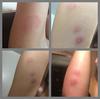
What Bites Are These From? Not rated yet
I started getting bites 3 weeks ago. They are usually in two-three patterns about 1 inch apart and gets worse as the days go by. They turn into red, raised …
references
Bed Bug Infestation: Its Control and Management
COL Joseph D. Bartley, MC
CPT Harold J. harlan, MSC
Bed Bugs and Clinical Consequences of Their Bites
Goddard, Jerome PHD; deShazoz, Richard MD