" Bed bug removal is usually done by a professional who uses a combination of methods including steam, freezing sprays, heat and insecticides. There is no one product that will completely remove bed bugs. However, using a combination of products that knock down or reduce the size of the bedbug population and the use of bed bug products that have a lasting effect, can remove an infestation from a home. While the best approach is to rely on the experience and specialized equipment of a bed bug exterminator, a homeowner can achieve complete bedbug removal by following the detailed instructions provided below and by following the instructions listed by bedbug pesticide manufacturers. "
Professional Bed Bug Treatment
We always recommend calling a professional vs. attempting to solve a bed bug problem yourself. Professionals have the experience, equipment and access to insecticides that aren't always as easily available to home owners. The biggest downside of hiring a bed bug exterminator is cost, which can include a charge for the inspection and a separate charge for treatment. Together this can cost $750 or more. For this reason we suggest:
- Get up to 4 free Quotes from Service Magic: Home Advisor (1.877.233.1145) is a network of local contractors/exterminators who are pre-screened and held to common standards before being accepted into the network. They will provide up to 4 free quotes.
- Search our Bed Bug Exterminator Database: We maintain a database of local bed bug professionals that can be found here.
When calling a bed bug exterminator, be sure to ask the following questions:
- What is their experience fighting bed bugs in your area and will the technician being sent to your home have bed bug experience?
- Is there any charge for the in-home inspection?
- Do they guarantee their work and for how long?
- What chemical and mechanical methods are used?
- Do they have a method for treating electronics and other hard to treat items (some have heat chambers for this purpose)?
- Are they licensed?
- Can they provide references in your neighborhood?
- How do they treat bedbugs that have entered the walls or are infested inside furniture such as a couch?
- Child and Pet Safety during treatment
Professional Bed Bug extermination techniques
A bed bug exterminator will use one or more bed bug removal methods. These include:
Insecticides: Similar to the recommendations listed below for do it yourself bedbug removal, a bed bug exterminator will use the combination of a knock down and residual bed bug sprays. They will also use bed bug dust (also called fossil dust or diatomaceous earth).
Bed bug fumigation will kill all bed bugs in treated areas of the home or building. This approach is expensive, and it will not provide any residual or lasting protection.
Heat Units to Kill Bed Bugs: Bed bug treatment heat involves raising the air temperatures to at least 122F, the temperature needed to kill bedbugs and bed bug eggs. A room or entire home can be sealed and heated to the required temperature. Fans circulate the heat so that the insides of walls and furniture such as couches are treated. The use of heat units to kill bed bugs is called thermal remediation. Bed bug treatment heat lasts for 6 to 8 hours and is 100% effective and 100% chemical free. The downside is the cost, although all objects in the room will be treated.
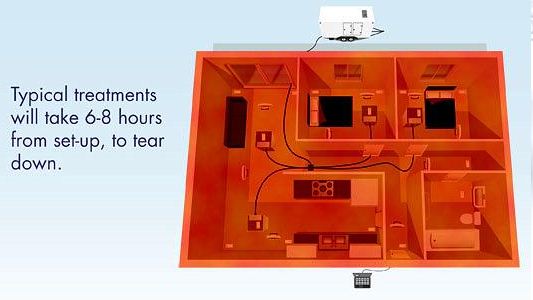 Picture: How Heat Units to Kill Bed Bugs are Used in a Home
Freezing Dry Ice Spray: Bed Bugs can be killed, basically frozen to death with a liquid carbon dioxide gas (also known as gas from dry ice). The advantages of this approach are like heat, it requires no chemicals and is perfectly safe. A freezing bed bug spray can also be used to treat electronics. The spray will penetrate objects such as furniture.
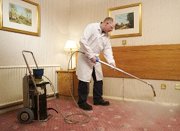 Bed Bug Removal using Freezing Bed Bug Spray
Do It Yourself Bed Bug Treatment
With hard work and the right products, it is possible to be successful in your bed bug removal efforts. Unfortunately no one product will kill all bed bugs. This is because bed bugs are good at hiding, so a spray that kills on contact, may miss bedbugs that are hiding or hatch later. Because of this, several bed bug removal products are required, including those that will kill any bedbugs you might have missed.
The following provides the bed bug products needed followed by step by step instructions for bedbug removal.
Bed Bug Products Required
- Bed Bug SprayMattress Safe Knock Down Bedbug Spray: A knock down bed bug spray is used to kill bed bug eggs and bed bugs on contact. The best insecticide based option is Sterifab and the best organic/natural option is Bug Patrol. Note that Sterifab has been verified as being 100% effective by a University of Kentucky Study. It is even 100% effective against bed bugs that have shown resistance to other bed bug pesticides.Residual Bed Bug Spray: Residual bed bug spray is used to provide lasting protection for several weeks. When a bed bug crosses into an invisible field left by the dry spray, they are killed or unable to reproduce after coming in contact with the insecticide. They usually take longer to work since they act as an IGR (insect growth regulator) which interrupts the bed bug life cycle. Independent research verifies that effectiveness of the bed bug spray Phantom. New York residents must use Bedlam instead as Phantom is not available in New York State. Both are insecticide based sprays. If you prefer to go the natural route, use natural bed bug dust or fossil dust instead (see below).
- Bed Bug Dust: This is an all natural product made from ground animal fossils. It is also called diatomaceous earth or fossil dust. It is spread after treatment in the seams of the mattress and box spring, and in cracks/crevices, and under furniture, to kill any late hatching bed bugs. It is helpful to purchase a duster to apply the dust.
- Mattress and Box Spring Covers: Bed bug proof mattress and box spring covers can be used to keep bed bugs from infesting a mattress and when used after bed bug treatment, will trap any bed bugs that were missed during the treatment process.
- Vacuum with a Crevice Tool: The vacuum is one of the best bed bug removal tools. Bed bugs are visible to the eye and can be vacuumed up. The only thing that cannot be vacuumed are bed bug eggs, which stick to surfaces with a cement like substance. To kill bedbug eggs, steam or sprays are required.
- Hand Steamer (optional): A hand steamer can heat bed bugs and bed bug eggs to the temperature required to kill bedbugs. Preference is for a professional hand steamer.
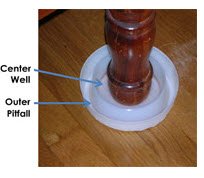
- Climbup Interceptor Traps (optional): Climbup Interceptors are traps that are placed under each bed leg and make it harder for bed bugs to climbup onto the bed.
- Buy a Portable Heat Chamber (optional): Many frequent travelers and others that want added bed bug protection are buying foldable Packtite Heaters. These can hold a piece of luggage and work by heating anything placed inside to the required temperature.
To save money on the bed bug products listed above, consider purchasing them as part of a Bed Bug Kit. Kits come with everything needed for bed bug removal at a reasonable price.
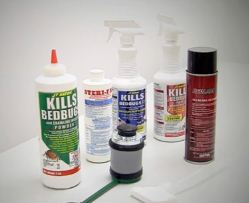 Bed Bug Kits Such as This One Contain Everything Needed for Bed Bug Removal Including Bed Bug Dust and a Duster, Knock Down Spray and Residual Spray Plus Other Helpful Products.
Step by Step Instructions
It is important to treat and inspect every inch of an infested room. Bed bugs are very thin and can hide in areas as thin as the width of a credit card. Always follow the manufacturers directions over any suggestions listed here.
It is normal for bed bug removal to require 2 to 3 treatments. You could also try it yourself, and then if unsuccessful, call in a bed bug exterminator.
Steps to Get Rid of Bed Bugs:
1. Designate a Safe Area: Select an area outside of the area being treated, where treated items such as the mattress can be temporarily placed. This can be an adjacent hallway, entry way or bathroom.
2. Vacuum All Surfaces: As mentioned earlier, the vacuum is one of the best tools for bed bug removal. First vacuum the entire room. Then use the crevice tool to vacuum along the baseboards. If you have carpet, consider steam cleaning. For added protection, add a disinfectant designed to kill parasites such as PuraCleenRX to the cleaning solution. Test on an out of the way area to see if the disinfectant will stain the carpet before using. Inspect all carpet edges
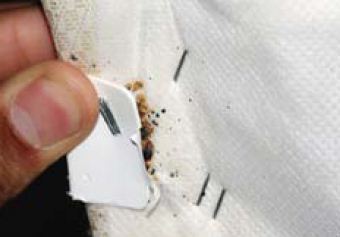
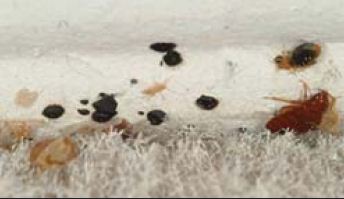 Bed Bugs and Feces on Edge of Carpet
Photo: David P. James
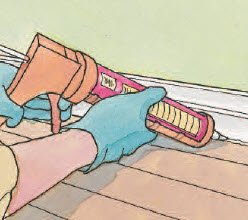
3. Treat the Baseboard with a Knockdown Spray and Residual Spray: Treating the baseboard first provide a ring of protection around the room. The bed bug treatment process may cause some bed bugs to move.
- Insecticide Based Approach: Start with the Sterifab and follow with the use of Phantom. New York residents use Sterifab and Bedlam. After it dries, place bed bug dust into the gap between the baseboard and the floor.
- All Natural Approach: If using an all natural bed bug treatment approach, only use the Bug Patrol spray along the baseboard. Follow the spray treatment with the placement of bed bug dust (also called fossil dust) into the gap between the baseboard and the floor.
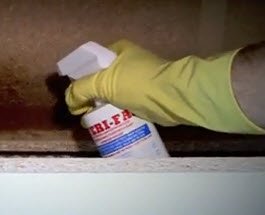
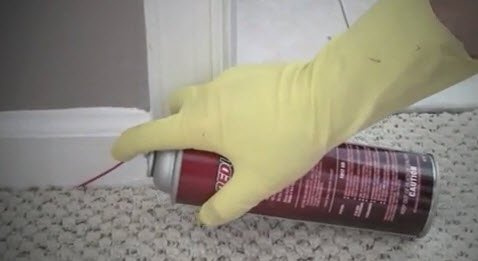 Use the Nozzle that comes with Aerosol Bed Bug Sprays to Kill Bed Bugs Hiding under Baseboards
Pictured: Bedlam Bed Bug Spray
4. Fold the Linens on the Bed: Fold all of the bed linens and place into a plastic bag. Wash the linens/blankets and sheets in hot water followed by 20 to 30 minutes in the dryer. This will kill any hiding bed bugs and bed bug eggs.
5. Treat the Mattress: First use the vacuum crevice tool for bed bug removal in seams and tufts. Run a wire brush or other object deep into the seams to dislodge any bed bugs. If you have a hand steamer or a professional steamer (preferred), go around all edges and possible hiding places. The heat (approx. 125F) will kill bed bugs and bed bug eggs.
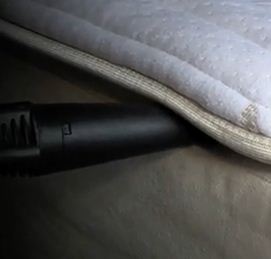 To Kill Bed Bugs Apply Seam to Mattress Tufts and Seams
It's Preferable to Use a Professional Grade Home Steamer
Use the mattress safe bedbug spray (Sterifab or Bug Patrol) and spray along all seams and tufts. Be sure to spray around the label, a common hiding place for bed bugs. Once you are done spraying both sides of the mattress, move to the safe area.
It is not necessary to throw out a mattress as part of the bed bug removal process, unless it is torn and heavily infested. We suggest throwing pillows or use a bed bug pillow cover.
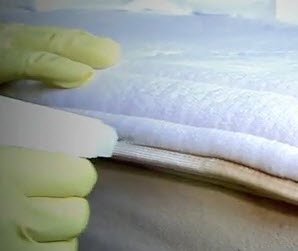 For Bed Bug Removal, Apply a Mattress Safe Bed Bug Spray in Potential Bed Bug Hiding Places
Pictured: Sterifab Bedbug Spray
6. Treat Any Night Tables or Furniture Near the Bed: Pull any drawers out of the night tables and move them to the top of the box spring.
First, take objects out of the drawers and inspect for bed bugs: Dispose of anything you can in a plastic bag such as books and newspapers. Place objects in the dryer on high heat for 30 minutes for added protection (if it can withstand the heat). Objects such as electronics may hide bed bugs and cannot be sprayed. Inspect the underside of lamps and anything near the bed. Objects placed in the freezer for at least 5 days will also be bed bug free (there is some debate here, so if you can, leave items in the freezer for 2 weeks). This can be the perfect approach for objects such as stuffed animals, books and other items that can withstand the cold.
Use the vacuum crevice tool inside and along the outside of the furniture to vacuum up any bed bugs.
Multiple home bed bug remedies are needed. Use the knock down spray to treat the underside of the drawers (Sterifab or Bug Patrol). Then treat the inside of the furniture, including any drawer tracks. Treat the back of the furniture as well. If using bed bug insecticide spray, follow the use of the knock down spray with the residual spray to kill any bed bugs and bed bug eggs you might have missed.
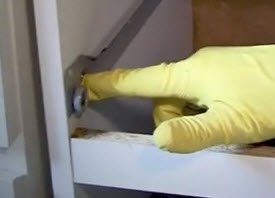 Treat the Tracks that Hold Furniture Drawers, a Common Bed Bug Hiding Area. Use both a Knock Down Bedbug Spray, Followed by the Use of a Residual Bedbug Spray