table of contents
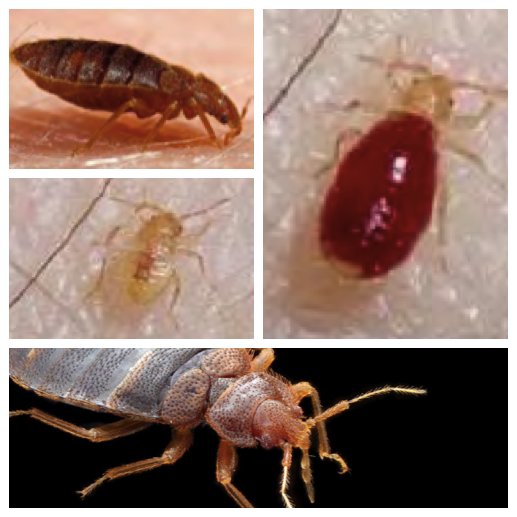 Pics of bed bug. Images of a bed bug at different life stages.
Overview
Getting rid of bedbugs is a problem faced by more and more people as the incidence of bed bug problems has gone up 500% in some areas. They are being found in schools, on public transportation and in homes and apartments across all 50 States in the U.S. and around the world.
The spread is attributed to the banning of pesticides such as DDT, resistance to DDT and other pesticides, and the ineffectiveness of general pesticides to kill these insects during everyday extermination.
Quick Reference:
- How to identify bed bugs
- How to find a bed bug exterminator
- How to get rid of bed bugs (step by step instructions)
- Bed Bug Prevention
Bed bug behavior
Bed bugs bite during the night. Serious infestations could result in over 500 bites (they are actually skin punctures, not bites). Any reactions to bed bug bites are an allergic reaction. While they don't spread disease, the allergic reaction itself can result in red markets or bumps on the skin, impetigo which is a bacterial skin condition, asthma and even shock which is called anaphylaxis.
bed bug bites
Bites are often found in clusters of 3, but can consist of a single bite. Since it is an allergic reaction, two people sleeping in the same bed can have different or even no reaction.
Not everyone shows a reaction to bed bugs. Some people can get a rash in a hour while others will show no reaction.
If you have no skin reaction it does not mean that you have not been bitten, it just means you do not have an allergic reaction to the bites.
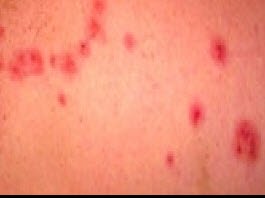 Picture of Bed Bug Bites
Often bed bug bites are confused with mosquito bites, resulting in treatment or extermination being delayed.
Why bed bugs bite
Bed bugs bite in order to feed on a blood meal from a human host. They pass through 5 life stages, and can only progress from stage to stage by feeding.
Bed bugs are attracted to body heat and the carbon dioxide
given off when sleeping. When they find skin, they puncture the
skin and feed from 3 to 5 minutes before returning to their hiding
place.
Tip: To protect yourself when sleeping, keep the skin covered with clothing.
how bed bugs spread
Bed bugs can only travel and be brought into a home if carried by a person that carries them in via used furniture, or luggage that was kept in an infested room. They can also spread through the walls from an apartment that is next door or above the infested room.
It is not a matter of being neat or clean. A person who is visiting could be carrying the bugs which jump off their belongings into a home or apartment.
bed bug reproduction
One bed bug can quickly reproduce, with each bed bug leading to 500 babies in 1 year time, so removing them early is important.
An adult bed bug is approximately 1/4 inch long and is brown/red in color.
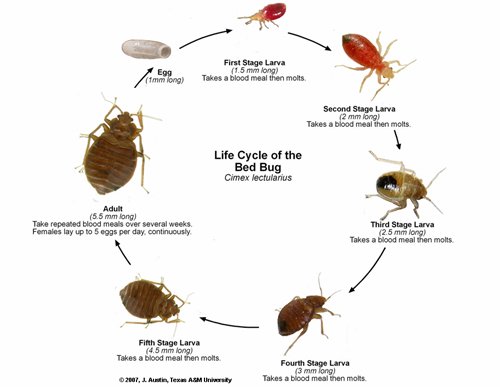 Images of a Bed Bug At Different Life Stages.
Top 5 places bed bugs hide
Video: Where Do Bed Bugs Hide?
Video review of where bed bugs hide, which are tight dark spaces.The key to getting rid of bedbugs is to know where they hide. Since they feed on human hosts, most are found around the bed itself with studies showing over 50% found hiding around the mattress and bed frame. They are going to hide where they will not be disturbed. The rule of thumb is that the least likely places to look or be disturbed are where bed bugs are going to hide. Look in any dark tight places.
Take the linens off the bed. In the early stages look for spotting which is caused by fecal staining (digested blood).
Here are the 5 places bed bugs are most likely to hide:
- Underside of the Box spring: Fecal or brown stains may appear on the bottom of the box spring. If you suspect bed bugs, you may need to rip the fabric covering and inspect the inside of the box spring for live bed bugs.
- Head board: Look behind the head board and the bed frame. In hotels the head boards are wall mounted. This is a common hiding place because the head boards are not disturbed.
- Furniture Near the Bed: As infestations get larger, bed bugs need more places to hide. Pull drawers out of the dresser and look underneath the drawers. Look underneath all furniture.
- Look behind pictures : any pictures or wall hangings could be hiding bed bugs.
- Look in Cracks in Wallpaper or Wall Cracks: Bed bugs can hide behind the torn wallpaper or in cracks.
This diagram shows common bed bug hiding places:
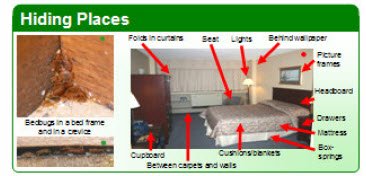 Bed Bug Hiding Places in Bedroom. Where to look for signs.
Can Bed Bugs Live in Electronics?
Yes, bed bugs can live and hide in electronics. All electronics should be inspected and treated.
Options for treating electronics are to heat them to 114 degrees in a ThermalStrike (check with the manufacturer for allowable maximum temperatures) or keep them in a sealed container for 14 months to kill any hidden bed bugs.
how do you get rid of bed bugs?
You can get rid of bed bugs by hiring an exterminator or by treating a room yourself using a do it yourself kit.
When getting rid of bed bugs the first decision you have to make is should you "do it yourself" or hire a professional. If you can afford it, the
professional option is the way to go, particularly in the case
of larger bedbug infestations.
Hiring a Bed Bug Exterminator
The cost for a typical home bed bug treatment is $750 to $1000 plus some exterminators may charge for a home inspection. Using heat to treat an entire home can cost up to $4,000.
Often a bed bug sniffing dog is used to find all of the bed bug hiding places. Ask about the chemical and non chemical approaches when selecting a professional. Compare quotes and equipment used for getting rid of bedbugs from 2 or more companies.
Here are two easy steps for finding an experienced bed bug exterminator in your community:
- Call Home Advisor (866-214-8380): Home Advisor is a network of independent pest control companies that are pre-screened by the network. They will provide up to 4 free quotes.
- Search our Database: We maintain a database of bed bug exterminators which can be searched here.
See our questions to ask an exterminator. There are several ways to eliminate signs of bed bugs (insecticides or chemicals, heat, freezing spray) so ask each professional about their approach. Sprays can have a fine oil base or water base. Also ask about factors such as pet safety.
Meeting with an exterminator will also help you to learn about the best approach.
Home Bed Bug Treatment
If you pursue the do it yourself approach for getting rid of bed bugs, do not buy a "bed bug bomb" found in many local hardware stores as these may kill or knock down the bed bug population, but not their eggs. They can also cause the bed bugs to disperse into the walls instead of being killed, only to return later on.
Also, do not buy a single spray at a retailer such as Home Depot. Bed Bugs are difficult to kill and at minimum require two different types of spray products:
- Mattress Safe Contact Spray to kill bed bugs and eggs on contact (our favorite is Sterifab).
- A residual spray such as Phantom to create an invisible field which will kill bed bugs you might have missed during treatment.
The most economical option is to purchase a bed bug kit such as the options offered on Bed Bugs Supply.
These cost approximately $70 - $160 and contain the products you need to remove the pests from your home including a mattress safe pump spray, residual spray. bed bug dust, a hand steamer, and an instruction booklet.
It is also highly recommended that bed bug proof mattress and box spring covers are purchased (instead of throwing them out).
The steps needed for getting rid of bedbugs are described below. The key is to kill all bed bugs and the bed bug eggs.
How to Get rid of bed bugs: Step by step instructions
The key to bed bug treatment is to be thorough. If you can fit a credit card into a crack, it is big enough to hide bed bugs. If the infestation is in the bedroom, every item within 10 feet of the bed needs to be treated including furniture, picture frames, window ledges, headboards and bed frames etc.
- Designate a Safe Area: You'll need an area outside of the treatment area to move items that have been treated. Select a hallway or bathroom next to the treatment area.
- Bag and remove all
clothes and linens: Fold the blankets and other linen on
the bed. Don't remove anything from the room
unless it is bagged. A convenient way to do this in sealed bags such as Ziploc
Double Zipper Big Bags or a bin with a snap tight lid.
Bring clothes to the laundry room and wash what you can in 120 degree hot water (highest setting) followed by 20 to 30 minutes in the dryer. What you can't wash, place in the dryer for 30 minutes at high heat. This will kill all bed bugs and eggs. - Inspect and remove loose items: Bed bugs can hide in the spines of books, inside electronics, pillows and stuffed animals. Every item needs to be inspected, disposed of or treated. Treatment methods for ordinary items include:
- Freezing: Leave items in a freezer for a week
- Heat: Purchase a portable heat chamber such as a ThermalStrike or even Bed Bug Proof Luggage that contains a heating element. Either one can take items and then heat them to the temperature required to kill bed bugs.
- Move items out of the room after bagging or placing into snap tight plastic bins. - Vacuum the Room:
The vacuum can pick up any bed bugs that you can find. As
mentioned, they like to hide in areas that can't be disturbed, such as
along the cracks between the floor and baseboards. Use the
crevice tool, not the brush tool. Bed bugs could get caught
in the brush. The vacuum will not pick up bed bug eggs, which are glued with a natural substance to surfaces.
- Treat the Mattress:
Start by using the vacuum with the crevice tool along all seams and
tufts of the mattress. If you have a hand
steamer, steam areas vacuumed and let dry. Steaming is an
optional step for extra protection. After treating the mattress, move it to the safe area.
Next use a Knock down Spray, which is a type of bedbug spray that will kill bed bugs and bed bug eggs on contact. (They do not have a long residual effect, so other sprays or products are needed for lasting protection.) We recommend remedies such as the knock down spray Sterifab (alcohol and synthetic pyrethroid) as it was tested by ICR and resulted in 100% of bed bugs sprayed being killed, Follow the manufacturer directions.
After treating the mattress let it dry and then move it to the safe area. When dry, place the mattress into a zippered bed bug mattress cover (WalMart offers low cost covers). Spray remedies anywhere you believe bed bugs are hiding, particularly under labels and in tufts/seams. Zippered covers trap any bed bugs and eggs you might have missed or cannot reach.
YOU DO NOT NEED TO THROW OUT YOUR MATTRESS OR BOX SPRING, JUST COVER THEM.
If you are wondering how to get rid of bed bugs naturally, use a natural bed bug spray such as Bed Bug Patrol in combination with diatomaceous earth (a natural dust product). - Remove Items from Nightstand Drawers: Use the surface of the box spring to empty items from drawers. Use a similar process as above to either wash items in hot water or dispose of what you don't need.
- Treat the Box Spring: Use the same method that you used for the mattress, and spray the box spring. Pay attention to the corners, under plastic guards and under the fabric that covers the bottom. After treatment remove to the safe area.
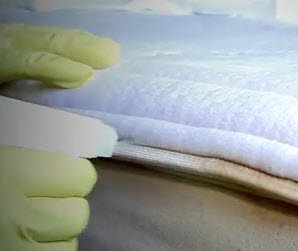 When Getting Rid of Bedbugs, treat the mattress with a Knock Down Bed Bug Spray that is Mattress Safe such as Sterifab
8. Treat the Bed Frame and Headboard: Use the contact spray (Sterifab) to treat remaining surfaces. Then move on to nearby furniture.
9. Treat the furniture and other areas near the bed: Bed bugs tend to be hiding near the bed. It is important to thoroughly treat nearby furniture. Empty the contents of drawers onto the box spring. Check items for bed bugs and place into a plastic bin with snap lid or Ziploc Big Bag. When getting rid of bedbugs in furniture with drawers, remove drawers and treat around the edges. Use the Phantom or Bedlam spray remedies.
10. Treat the Perimeter of the Room: Use a spray that has a lasting residual effect along the baseboards and furniture. We prefer Phantom (1st choice) or Bedlam.
Why Phantom for getting rid of bedbugs? The active ingredient in
Phantom cannot be detected by bed
bugs, so it doesn't repel them away from treated areas,
a risk in some other products. Bed bugs have also
started to show some resistant to commonly used products in some
cities, reinforcing Phantom as the best choice for a residual
spray. That said, the other products mentioned are also
excellent choices with excellent feedback from readers of the
Bed Bugs Handbook.
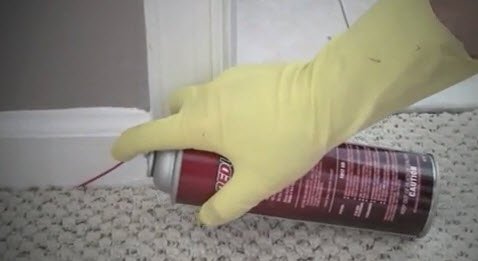 Getting Rid of Bedbugs with a Spray Picture Bed Bug Treatment with Bedlam Aerosol Spray around Perimeter of Room
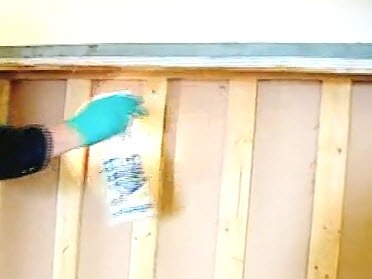 Treat All Cracks and Seams inside the Box Spring Here an Exterminator uses JTEaton as a Residual (long lasting) Bed Bug Treatment
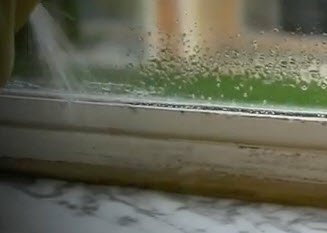 Lightly use Bed Bug Spray Around Window, Picture Frames and other Areas In Case Bed Bugs are Hiding. Look for credit card sized cracks.
Source: Bed Bug Supply
Bed bugs can hide inside electronics and clutter such as newspapers,
magazines and books. If not of value, dispose of any item you
can. Electronics can only be treated in a heat chamber such
as a ThermalStrike,
or they need to be stored for 1 year in a sealed plastic container to
ensure that all bed bugs were starved. Confirm with the
manufacturer of the electronics/computer that they can withstand
temperatures of about 120F.
Bed bug dust such as
JTEaton Bed Bug Powder can also be placed
around the electronics to kill any bed bugs when they leave their
hiding places.
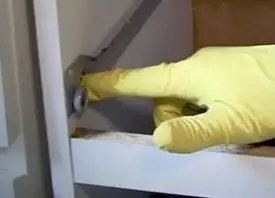 Inspect the Furniture Tracks and Tight Spaces When Getting Rid of Bed Bugs in Furniture
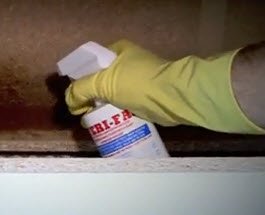 Treat Tracks with a Knockdown and Residual Bedbug Spray such as Sterifab followed by a residual spray. Also Treat Inside of Furniture (all cracks/joints) and Underneath Drawers Test to avoid Staining.
Source: Bed Bug Supply
8. Treat the Carpet:
Bed bugs like to lay their eggs on rough surfaces such as carpet.
We suggest steam cleaning any carpets.
9. Spread Bed Bug Dust:
Bed
Bug Dust (also called dessicant dust, diatomaceous earth or
fossil dust) is a natural product made of ground fossils. Some products are mixed with an insecticide. The
purpose is to use Bed bug dust to
kill any bedbugs that hatch from eggs that you might have missed.
As the bed bug walks through a thin dust field, the dust will
attach to their body, eventually suffocating the bed bug.
Dust can be spread places where the
spray shouldn't be used, such as around electrical outlets, and under
furniture and along walls. A duster such as the Mini
Pistol should be used as well as some type of dust
mask to avoid breathing in the product. You can
also use
JTEaton Green Label, which comes in an applicator bottle.
The advantage of bed bug dust is that is doesn't break down, so it will provide lasting protection. One tip is to place dust into areas where bed bugs might return.
Bed Bugs Prevention
1. Buy a bed bug encasement for the mattress and box spring: This will prevent bed bugs from getting into your bed and will trap and kill any that are already there. Using covers is standard practice when getting rid of bedbugs. It is not necessary to replace the mattress unless it is in bad condition. If removing a mattress from the home. wrap in plastic to avoid dropping any bugs. Mark the mattress as having a bed bug problem to keep other people from taking the used mattress. Cover options include Allerzip and lower cost options from WalMart. Note that covers alone do not protect against bed bugs that are hiding elsewhere in the room.
2. Put plastic bowls under the legs of the bed when getting rid of bedbugs: Bed bugs will climb up the outside wall and will get stuck in the bowl. You can make your own by pasting fabric to the outside of the bowl so the bed bugs can climb up. For added protection, put 1 to 2 inches of rubbing alcohol or powder into the bowl. If there are no bugs in the bowel after a few days, there are probably no more bed bugs in the home and you have successfully got rid of bedbugs. You can buy inexpensive bowls called Climbup Interceptors, with one going under each bed leg.
3. Put Double Sided Tape
Around Bed Legs: Tape will stop any bed bugs from
climbing up back to the bed. They also sell low cost bed bug
traps such as Bed
Bug Patrol Traps that will do the same thing.
4. Move bed 6 inches
from the wall: This will prevent any bed bugs from
climbing the wall and jumping back into the bed.
5. Be Careful When Traveling: When entering a hotel room, keep luggage away from the bed and furniture. Ideally keep it near the door. Check the box spring and bed to see if their are any brown spots. When you get home, wash clothes in hot at 120 degrees or place into a dryer on hot for up to 30 minutes. Both methods will kill bed bugs. For those that want to be extra careful, buy a portable heat chamber called a ThermalStrike. When returning home from a trip, place your packed luggage in the ThermalStrike. It will heat the luggage to the required temperatures to ensure that it is bed bug free.
Read more tips for bed bug prevention.
Ask a Question or Share Your Bed Bug Experience With Others
Do you have a question or great story about bed bugs? Share it!
What Other Visitors Have Said About Bed Bugs
Click below to see contributions from other visitors to this page...
Is a Suspended Ceiling a Good Hiding Place for Bed Bugs? Not rated yet
The homeless shelter I work in has a 20 bunk (40 bed) overnight dorm. I regularly use heat remediation in this area and pesticide but cannot get control. …
brochures
Each of these free brochures provide additional information on how to identify bed bugs in your home or apartment.