table of contents
4 Easy Steps To Get rid of Bed Bugs
"Do you have a bed
bug problem? Here's what you need to do (click on the links for how to complete each step):
1. Confirm that the insects you are seeing are bedbugs.
2. Protect yourself from bites if you are going to stay in the infested room or home while waiting for treatment or confirmation of the problem.
3. Report the problem to the managing agent in writing if you are renting a home or apartment.
4. If you own a home decide if you would like to treat the problem yourself or hire a professional.
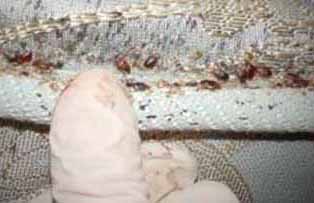 Problem Signs of Bed Bugs Such as Insects, Blood and Fecal Matter on Mattress
What causes bed bugs?
Bed bugs are typically spread by tourists or anyone that enables a bed bug to hitch a ride from one location to another. Typically, a person will stay in an infested hotel room or apartment, allowing the bed bugs to hide in their luggage. When returning home, the insects jump off. An infestation has nothing to do with cleanliness, with even the best hotels sometimes having a problem.
Bed Bug Identification
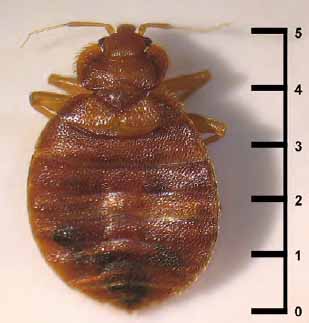 Picture of Bed Bugs Size
Bed bugs have a distinct appearance, although they can be confused with other insects. They change in appearance at each stage of their life cycle, starting as an egg, which is small, white and the size of a pin head, and move on to be an adult. Nymphs or young bed bugs are straw colored while older bed bugs are reddish brown. Once in a room, bed bugs need to feed on a human host in order to move through each stage of the life cycle.
If you are not sure you have a bed bug problem, you can send a sample for a small fee to the Cornell University Insect Diagnostic Laboratory for a bed bug specimen examination.
An alternative is to have a pest control professional confirm the problem. We suggest hiring exterminators that have bed bug experiences, such as someone from the Home Advisor network (or call 866-214-8380).
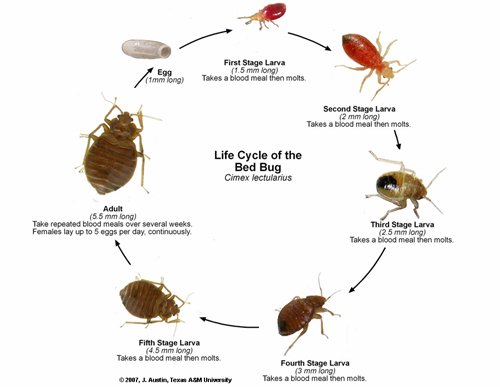 Different Bed Bug Pictures At Each Lifestage
when do bed bugs feed?
Bed bugs feed at night. Feeding lasts for 10 minutes on skin exposed areas of the body. This is why most bites occurring on the arms and legs.
You can also avoid bites by covering skin areas while sleeping, such as with socks over the bottom of pajamas.
Do bed bugs spread disease?
Bed bugs do not spread disease. They can cause an allergic reaction that results in a round red raised area on the skin. Multiple bites will result in several red bed bug bites. Most people have no allergic reaction to the bites and at best will just show two small skin punctures where the bite occurred.
signs of Bedbugs
Signs of bed bugs include:
- Red blood, brown or black fecal marks on the mattress or box spring
- Signs of live insects (you can see them with the naked eye)
- Bites (not seen in most people)
bed bugs protection
Here are some tips for protecting yourself against being bitten by bed bugs while waiting for treatment to begin:
- Wear tight fitting clothing in bed - bed bugs do not bite through clothes
- Cover the feet with socks over the bottom of your pajamas
- Keep the bed 6 inches from all furniture and the walls
- Keep blankets off the floor
- Use double sided tape around bed legs
- Place Climbup Interceptor traps under bed legs
Report the bed bug problem
If you are a renter of a home or apartment, report the problem to the managing agent. Many States define the procedures that need to be used when reporting a bed bug problem and if the tenant has to pay.
In every state a landlord must certify that an apartment is free of insects and bed bugs. Some leases prevent tenants from administering treatment, so check before you spray.
For help check our list of local resources or call the local housing authority or department of health.
how far do bed bugs move?
Bed bugs can move approximately 20 feet+ in any direction including rooms next to and above the one being treated, which is why adjoining rooms or apartments need to be inspected.
How to get rid of bed bugs
Treatment involves chemical, non-chemical and mechanical approaches. The best treatment approaches combine two or more methods.
Chemical Treatment
Chemical treatment involves the use of insecticides. There are cases of bed bug resistance to certain pesticides such as Pyrethroids, so be sure to buy products that you know have been tested.
Chemicals include:
- Knock down sprays to kill bed bugs and eggs on contact. If using on a mattress make sure it is labeled "mattress safe"
- Residual sprays which create an invisible field to kill any bed bugs you might have missed.
Non-chemical Treatment
You can see bed bugs with the naked eye. This makes it easier to use non-chemical or mechanical methods for removing bed bugs. Methods include:
- Vacuuming
- Steaming: Exposing an infested area to steam for 10 seconds will kill be bugs.
- Heat Remediation: Heating a room to 120F for several hours kills all bed bugs.
- Freezing spray: Used by some professionals
In addition to the above, you can kill bed bugs using a portable heat chamber such as the one offered by PackTite.
hiring an expert
The advantage of a pest control expert from a network such as Home Advisor is that they know where to look, and may have equipment and chemicals that are not sold to consumers.
Follow this link to see our list of bed bug pest control experts who have the experience to solve your bed bug problem. They will provide a free evaluation, provide information on how to get rid of bed bugs..
Bed Bug Treatment Cost
Hiring a professional
A professional bed bug treatment can cost up to $100 for a home inspection (more if a bed bug sniffing dog, which detects their distinct odor is used), and then over $750 for the treatment, depending on the size of the home.
If going the professional route, call several bed bug pest control experts for a quote. Ask specifically about their bed bug experience, guarantees and specialized equipment including the use of a bed bug sniffing dog. While not required, a dog can detect a bedbugs raspberry like odor and detect all areas where there might be a bed bug problem.
Ask for a guarantee since most professionals need to treat a room up to 3 times before an infestation is eliminated.
DIY Bed Bug Treatment Cost
A do it yourself kit costs approximately $70. Kits are the most economical way to address a bed bug problem as they contain the multiple products needed to do the job right including a spray, bedbug dust, steamer and mattress cover.
We only recommend home treatment for small infestations that are contained in one room.
Steps for getting rid of Bed Bugs
Consumers who are treating a home themselves use a combination of sprays, special dust, vacuuming and steam to kill the bed bugs.
The keys to bed bug treatment is knowing where to look and then having the right tools. You must be thorough with the bugs hiding in every available crack in the room including the back of the headboard, behind pictures and even inside electronics such as a clock radio.
Studies show that approximately 50% of bed bugs in a room will be within 10 feed of the bed.
Treatment instructionss
We recommend following our detailed treatment instructions. Here is a summary of what you will need to do:
- Select a Safe Area: This is an area outside of the room to be treatment where you can place treated items.
- Treat the Mattress First: Use a mattress safe spray and lightly treat all seams. Use a pump spray such as Sterifab which is mattress safe and that has been tested against insecticide resistant insects.
It is not necessary to throw out a mattress or box spring that is in good condition. After the mattress dries from the spray, apply bed bug test to the seams.
As an option use a zippered mattress cover which will trap any bugs or late hatching insects that you might have missed.
When done, move the mattress to the safe area. - Treat theBox Spring: Treat all seams and particularly under any plastic corner guards. If there is fabric covering the bottom of the box spring consider removing it and treat the inside of the box spring, also with the spray.
- Empty Drawers: Use the box spring as a table and empty the items from drawers that are near the bed. Place items into a sealed plastic bin. Put bin in the safe area. Later on, wash in hot water any machine washable items or place bin into a PackTite portable heater.
- Wash All Clothing and Linens in Hot Water: Wash anything you can in the room in the washing machine using hot water followed by placing items in the dryer for 20 minutes. Before removing clothes from the room, be sure to place in heavy duty plastic outdoor garbage bags to avoid dropping any bed bugs while transporting items.
- Throw Out What you Can: Bed bugs like to hide in newspapers, books etc. Throw out any disposable item. Place them in a plastic bag and dispose outside of the house. If you are disposing of a mattress mark it as having a bed bug problem. In many apartment buildings, homeowners bring used furniture and mattresses back into the building without knowing that they are spreading bed bug problems to others.
- Vacuum and Disinfect Carpet: The vacuum can be an effective way to pick up any bugs that you can spot. Be sure to use the crevice tool and move along the baseboards of the room, carpet etc. If you have carpet consider using a carpet cleaner on the high heat setting. Mix a quality disinfectant into the carpet cleaner such as PuraCleenRx to ensure that any bedbugs are killed. Test this in an out of the way area of the carpet to make sure that the mixture doesn't stain your carpet.
Dispose of the vacuum bag outside of the home. Empty the vacuum in the room that was treated to avoid spreading the bed bugs and creating more bed bug problems. - Steam: Use a hand held steamer to kill any bed bug eggs. A bed bug tends to lay eggs on rough surfaces. They will look like clusters of white specks. Steam into cracks, spaces where the bed frame joints meet etc. Be sure to crack a window open a bit to help with drying and to avoid mold.
- Inspect: Do one final inspection when complete. By this time you should have checked every inch of the room including out of the way areas such as behind pictures, underneath dresser drawers, under electrical plates, around the baseboard etc. When in doubt use the steamer to make sure you treated every surface.
- Apply Fossil Dust: Fossil dust, which is a natural product (also called diatomaceous earth), can be sprinkled into cracks, along the base of the walls and under dressers. When the dust comes in contact with a just hatched bed bug, it will eventually kill them. It's another layer of protection that is even being placed into walls of new construction or remodeling in Manhattan apartments to help keep bedbugs spreading from apartment to apartment. This product can be purchased inexpensively from Amazon.com.
Only apply a thin layer of dust in a well ventilated room. You may want to purchase an inexpensive applicator which makes sure that the dust spreads correctly. It it is too think, bed bugs may avoid the area.
Remember, bed bug extermination is hard work and may take 2 to 3 treatments to get any eggs that you might have missed. The only way to kill eggs is with heat or possibly with a strong insecticide applied to an entire sealed room.
Is Your Bed Bug Problem Gone?
Here are some tips to use after treatment to ensure that your bed bug problem is gone, or if you missed a few, how you can be sure they are killed.
- Move and
Protect the Bed: Bed bugs crawl up the wall and
then jump onto the bed. Move the bed 6 inches from the wall and any
nearby furniture. Use double sided tape on each leg
to keep bedbugs from moving up the legs.
- Put a Bed Bug
Bowl or Interceptor Under Each Bed Leg: This is a great
way
to see if you still have bed bugs. One home bed bug remedy is to place
a bowl under each bed leg. Glue a piece of fabric to the
outside of each bowel to allow the bed bugs to climb up. When the reach
the top they will fall in. Place an inch of rubbing alcohol into each
bowel to kill the bugs. After using them, if you see
no bedbugs in the bowel, then you are bug free. Leave it for a week or
2 to be sure that no new bedbugs have hatched. You can also buy
inexpensive bowls called Climbup
Interceptors that are
specifically made for this purpose.
- Use Mattress and Box Spring Covers: Since most bedbugs hide in and around the mattress, putting a zippered cover on the mattress and box spring will trap any bedbugs you didn't kill that are hiding on the mattress. Between the mattress covers, taped legs, and Bedbug interceptors, your bed should be well protected.
When to Hire a Bed Bug Exterminator
The best approach is to call in a bed bug pest control professional,
who has the knowledge and experience to do an inspection, assess the
extent of the bed bug problem and then recommend a treatment plan.
Don't wait or the problem will get much worse and possibly more
expensive to treat. We have a list of pest control companies
that are specifically qualified to treat bed bugs. These companies will
provide a quote at no charge to you.
Be sure to use a bed bug specialist, as they will know where to look
and may have specialized equipment such as heating units.
Follow
this link to find a qualified local bedbug exterminator near
you. Please keep in mind that if the bed bugs are not treated
correctly, insects missed will begin to multiply and the problem will
return. Don't use a pest control company unless they have
extensive experience treating bed bugs.
When
hiring a professional, be sure to get a guarantee, a description of
chemical and non approaches that will be used, and whether
treatment products are pet and child safe.
brochure
This free brochure provide additional information on how to solve problems and get rid of bed bugs in your home or apartment.
Ask a Question or Share Your Bed Bug Experience With Others
Do you have a question or great story about bed bugs? Share it!
What Other Visitors Have Said About Bed Bugs
Click below to see contributions from other visitors to this page...
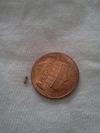
Is this a bed bug? i've been finding them in our bed room but we havent been bitten, yet?! Not rated yet
Im scared to get infested! Ive found this on my 3year old boys dirty shirt right before doing laundry please help!
Editor Comment on Bed Bug Identification …